Origins & History
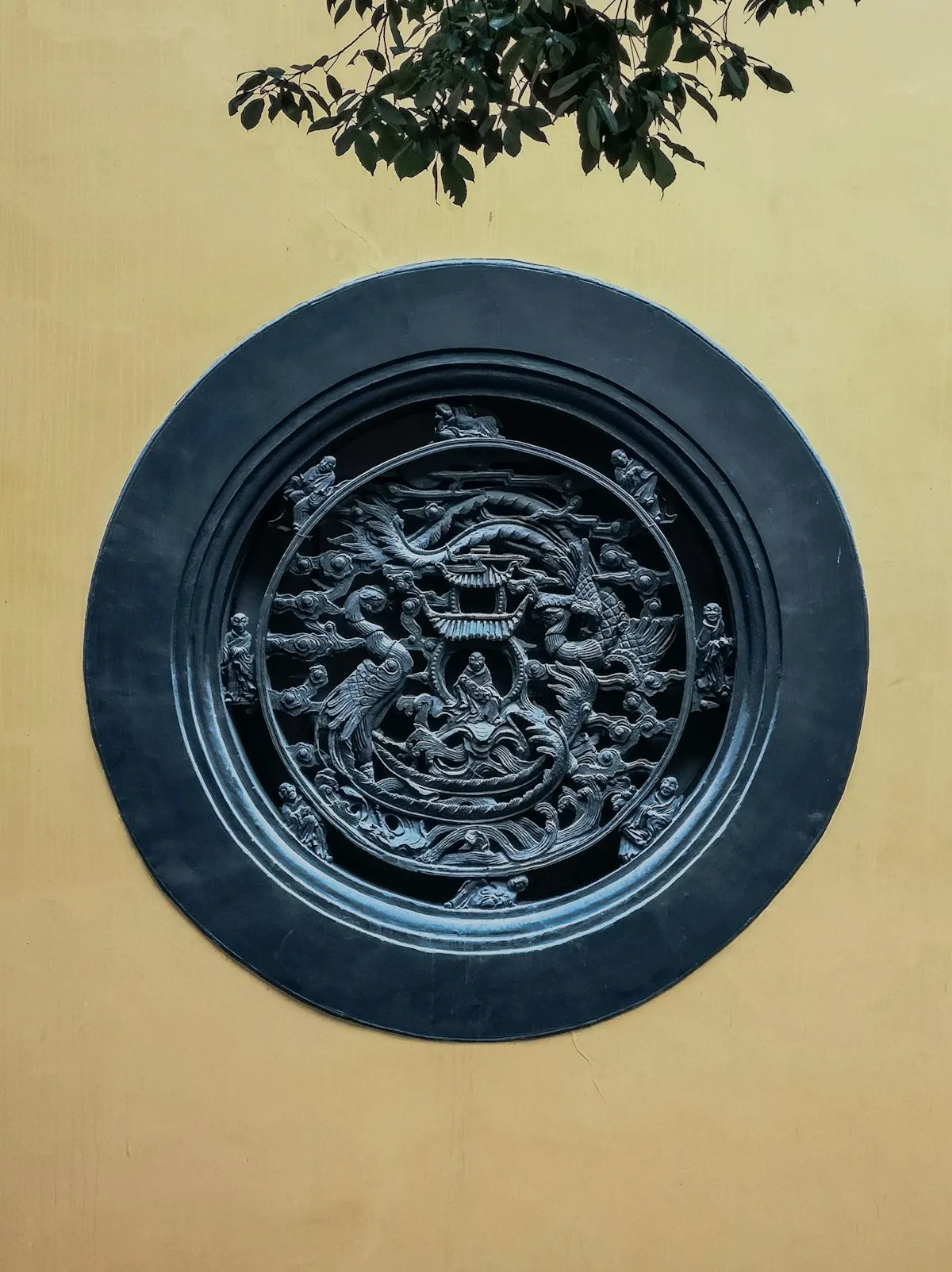
2,000+ Years of Living Tradition
The zodiac cycle has remained essentially unchanged since the Han Dynasty
The Chinese zodiac (生肖, shengxiao) is a repeating cycle of twelve years, each represented by an animal and its reputed attributes. The system is deeply intertwined with ancient Chinese cosmology, timekeeping, and animal veneration traditions.
The general scholarly consensus is that the zodiac originally related to astronomical observation and animal worship traditions common in agrarian societies. Each animal represented qualities observed in nature and was associated with specific times of day, seasons, and cosmic forces through the Earthly Branch system.
The Jade Emperor Legend
The Jade Emperor summoned all the animals of the world to participate in a great race across a mighty river. The first twelve to cross would each have a year named after them.
Traditional folk legend (玉皇大帝)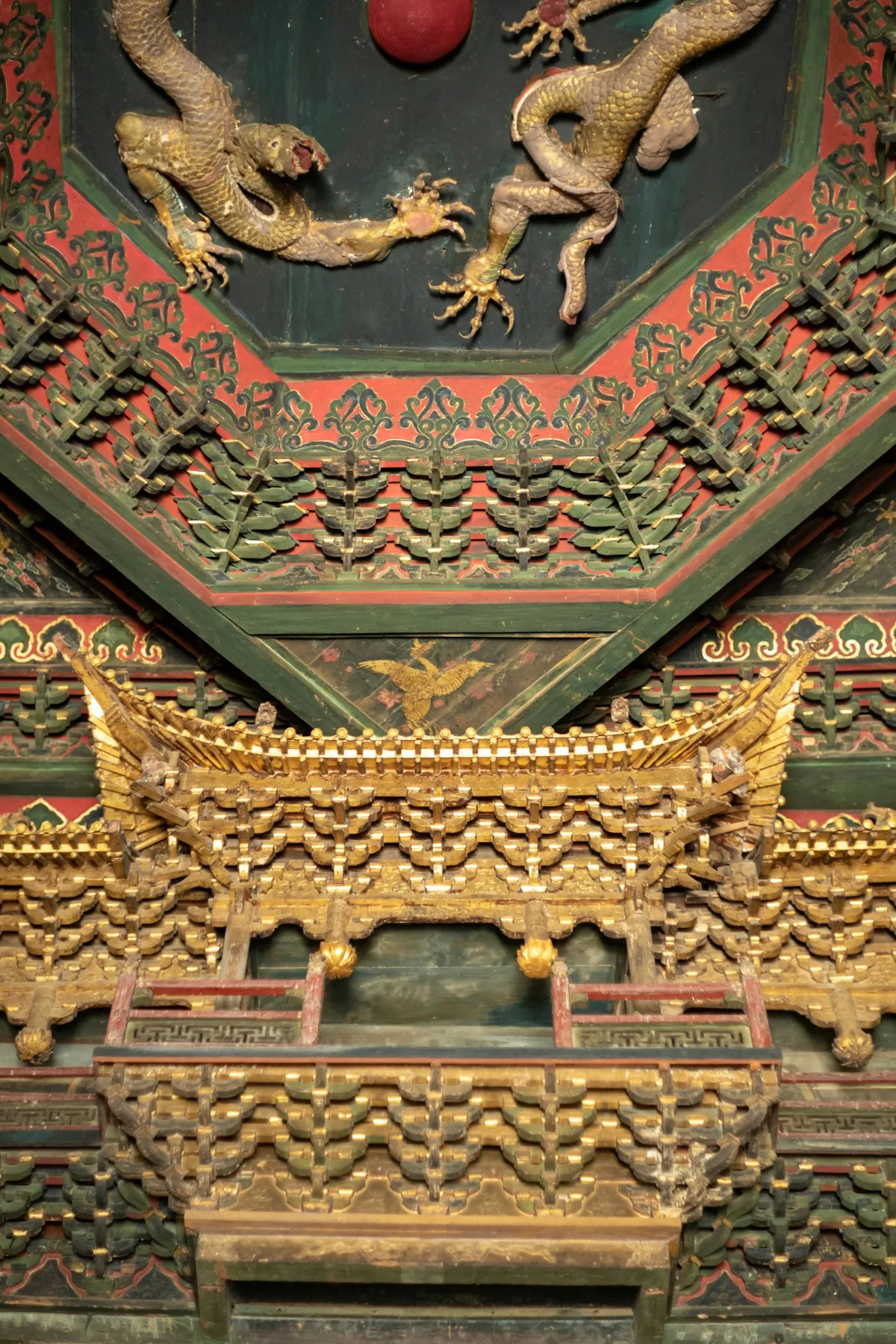
1st — The Clever Rat
Rode on the Ox's back, then leapt ahead at the last moment to claim first place.
2nd — The Diligent Ox
Rose before dawn and set off early, earning second place through sheer effort.
3rd — The Powerful Tiger
Struggled against the river's powerful current but arrived through raw strength.
4th — The Resourceful Rabbit
Hopped across on stepping stones and a floating log to reach the far bank.
Scholarly Note
While this legend is beloved in popular culture, scholars note it likely emerged well after the zodiac system was already established, serving as a mnemonic device and moral fable rather than a historical account of the zodiac's creation.
The Zodiac Cycle
Each Animal Governs
- A fixed element (e.g. Rat = Water)
- A Yin/Yang polarity
- A two-hour period of the day
- A season and cardinal direction
- An Earthly Branch character
Connected Systems
- BaZi destiny analysis
- Feng shui directional energy
- Wu Xing five element theory
- Sexagenary calendar cycle
- Traditional Chinese medicine
The Twelve Animals
Rat
鼠 Shu
Years: 2032, 2020, 2008, 1996, 1984, 1972, 1960
Quick-witted, resourceful, versatile, kind
Ox
牛 Niu
Years: 2033, 2021, 2009, 1997, 1985, 1973, 1961
Diligent, dependable, strong, determined
Tiger
虎 Hu
Years: 2034, 2022, 2010, 1998, 1986, 1974, 1962
Brave, confident, competitive, unpredictable
Rabbit
兔 Tu
Years: 2035, 2023, 2011, 1999, 1987, 1975, 1963
Gentle, quiet, elegant, alert
Dragon
龍 Long
Years: 2036, 2024, 2012, 2000, 1988, 1976, 1964
Confident, ambitious, charismatic, intelligent
Snake
蛇 She
Years: 2025, 2013, 2001, 1989, 1977, 1965
Enigmatic, wise, intuitive, graceful
Horse
馬 Ma
Years: 2026, 2014, 2002, 1990, 1978, 1966
Energetic, free-spirited, warm, passionate
Goat
羊 Yang
Years: 2027, 2015, 2003, 1991, 1979, 1967
Calm, gentle, sympathetic, creative
Monkey
猴 Hou
Years: 2028, 2016, 2004, 1992, 1980, 1968
Sharp, curious, inventive, mischievous
Rooster
雞 Ji
Years: 2029, 2017, 2005, 1993, 1981, 1969
Observant, hardworking, courageous, confident
Dog
狗 Gou
Years: 2030, 2018, 2006, 1994, 1982, 1970
Loyal, honest, amiable, prudent
Pig
豬 Zhu
Years: 2031, 2019, 2007, 1995, 1983, 1971
Compassionate, generous, diligent, warm
The Rat (鼠)
The Rat occupies the first position in the zodiac cycle, associated with the Earthly Branch Zi (子) and the hours of 11pm to 1am — the threshold between days, reflecting the Rat's liminal nature. In the five-element framework, the Rat carries a fixed Water element, linking it to intelligence, adaptability, and resourcefulness.
People born in Rat years are traditionally regarded as quick-witted and versatile. They possess sharp observational skills and a talent for accumulating resources. The Rat's association with wealth is deeply embedded in Chinese culture — the character for "counting money" evokes the image of a rat's paws. Classical texts praise the Rat's ability to survive and thrive in any circumstances, though they also note tendencies toward anxiety and possessiveness.
Best compatibility: Ox, Dragon, Monkey. Challenging pairings: Horse, Rooster. Lucky numbers: 2, 3. Lucky colors: Gold, blue, green.
The Ox (牛)
The Ox holds the second position, linked to the Earthly Branch Chou (丑) and the hours of 1am to 3am. Its fixed element is Earth, and it embodies Yin energy — patient, enduring, and deeply connected to the land. The Ox has been central to Chinese agricultural civilisation since antiquity.
Ox-year people are celebrated for their diligence, reliability, and methodical approach to life. They build wealth through sustained effort rather than speculation. In classical characterization, the Ox represents the ideal of steadfast virtue — the ability to bear heavy burdens without complaint. Their weakness lies in stubbornness and difficulty adapting to rapid change.
Best compatibility: Rat, Snake, Rooster. Challenging pairings: Tiger, Dragon, Horse. Lucky numbers: 1, 4. Lucky colors: White, yellow, green.
The Tiger (虎)
Third in the cycle, the Tiger corresponds to the Branch Yin (寅) and the dawn hours of 3am to 5am. Its fixed element is Wood, giving it associations with growth, expansion, and the surging energy of spring. The Tiger is the king of terrestrial animals in Chinese tradition.
Tiger-year people are characterised by boldness, charisma, and a natural authority that commands respect. They are risk-takers and pioneers, drawn to challenges that others avoid. Pre-Qing texts describe the Tiger as embodying the martial virtues — courage, decisiveness, and protective fierceness. The Tiger's challenge is managing impulsiveness and a tendency toward domination.
Best compatibility: Dragon, Horse, Pig. Challenging pairings: Ox, Tiger, Snake, Monkey. Lucky numbers: 1, 3, 4. Lucky colors: Blue, grey, orange.
The Rabbit (兔)
The Rabbit occupies the fourth position, associated with the Branch Mao (卯) and 5am to 7am. Its fixed element is Wood (Yin variant), and it carries associations with the moon — the "Jade Rabbit" (玉兔) of lunar mythology who pounds the elixir of immortality.
People born in Rabbit years are typically elegant, diplomatic, and artistically inclined. They navigate social situations with grace and possess refined aesthetic sensibilities. Classical sources emphasise the Rabbit's association with longevity, peace, and scholarly refinement. The Rabbit excels in environments requiring tact and negotiation but may struggle with confrontation and bold decision-making.
Best compatibility: Goat, Monkey, Dog, Pig. Challenging pairings: Snake, Rooster. Lucky numbers: 3, 4, 6. Lucky colors: Red, pink, purple, blue.
The Dragon (龍)
The Dragon is the fifth animal and the only mythical creature in the zodiac, tied to the Branch Chen (辰) and 7am to 9am. Its fixed element is Earth (Yang variant). In Chinese culture, the Dragon is the supreme symbol of power, authority, and auspicious fortune — historically the emblem of the emperor.
Dragon-year people are ambitious, charismatic, and possess a natural magnetism that draws others to them. They think large, act boldly, and often achieve positions of leadership and influence. Dragon years are traditionally the most popular for births in Chinese communities. Classical texts celebrate the Dragon as the bringer of rain and prosperity, though they also caution against arrogance and the isolation that can come from exceptionalism.
Best compatibility: Rooster, Rat, Monkey. Challenging pairings: Ox, Goat, Dog. Lucky numbers: 1, 6, 7. Lucky colors: Gold, silver, grey.
The Snake (蛇)
Sixth in the cycle, the Snake maps to the Branch Si (巳) and the hours of 9am to 11am. Its fixed element is Fire (Yin), and it is sometimes called the "Little Dragon" in Chinese folklore. The Snake carries deep associations with wisdom, transformation, and hidden knowledge.
Snake-year people are perceptive, strategic, and intellectually sophisticated. They observe carefully before acting and possess an intuitive understanding of complex situations. In pre-Qing tradition, the Snake is associated with the sage and the philosopher — those who see beneath surfaces. The Snake's challenges include excessive suspicion, jealousy, and a tendency toward secrecy.
Best compatibility: Dragon, Rooster. Challenging pairings: Tiger, Rabbit, Snake, Pig. Lucky numbers: 2, 8, 9. Lucky colors: Black, red, yellow.
The Horse (馬)
The Horse holds the seventh position, linked to the Branch Wu (午) and high noon (11am to 1pm). Its fixed element is Fire (Yang), making it the most intensely yang animal in the cycle. The Horse represents the peak of solar energy and the spirit of freedom.
Horse-year people are energetic, adventurous, and warmly social. They value independence above almost everything and chafe under restriction. The Horse's association with military prowess and long-distance travel runs deep in Chinese history. When the year's Heavenly Stem is also Fire (as in 2026), the result is the Fire Horse — a particularly potent and volatile combination. Read more about the 2026 Fire Horse Year.
Best compatibility: Tiger, Goat, Rabbit. Challenging pairings: Rat, Ox, Rooster. Lucky numbers: 2, 3, 7. Lucky colors: Yellow, red, purple.
The Goat (羊)
Eighth in the zodiac, the Goat corresponds to the Branch Wei (未) and 1pm to 3pm. Its fixed element is Earth (Yin). Also translated as Sheep or Ram, the Goat symbolises peace, filial piety, and pastoral harmony in Chinese tradition.
Goat-year people are gentle, artistic, and deeply empathetic. They possess a rich inner life and often excel in creative pursuits — painting, music, literature. Classical texts associate the Goat with the Confucian virtue of filial piety (孝) because young goats kneel to nurse, symbolizing respect for parents. The Goat's vulnerability is indecisiveness and dependency on others for emotional support.
Best compatibility: Rabbit, Horse, Pig. Challenging pairings: Ox, Tiger, Dog. Lucky numbers: 2, 7. Lucky colors: Brown, red, purple.
The Monkey (猴)
The Monkey is ninth, tied to the Branch Shen (申) and 3pm to 5pm. Its fixed element is Metal (Yang). The Monkey is immortalised in Chinese literature through Sun Wukong (孫悟空), the Monkey King of Journey to the West.
Monkey-year people are clever, inventive, and endlessly curious. They possess quick minds and a talent for solving problems through unconventional means. The Monkey's intelligence is of the practical, street-smart variety — adaptive and opportunistic rather than academic. Classical characterization warns of the Monkey's tendency toward trickery, restlessness, and difficulty maintaining focus on long-term goals.
Best compatibility: Ox, Rabbit. Challenging pairings: Tiger, Pig. Lucky numbers: 4, 9. Lucky colors: White, blue, gold.
The Rooster (雞)
Tenth in the cycle, the Rooster maps to the Branch You (酉) and 5pm to 7pm. Its fixed element is Metal (Yin). The Rooster's crow at dawn was considered a reliable timekeeper in traditional society and carried ritual significance — it was believed to dispel evil spirits.
Rooster-year people are observant, hardworking, and meticulous. They have high standards and are not shy about expressing their opinions. In classical Chinese culture, the Rooster embodies the five virtues: the civil virtue (crown on head), the military virtue (spurs on feet), the courageous virtue (fighting spirit), the benevolent virtue (sharing food), and the faithful virtue (crowing at dawn without fail).
Best compatibility: Ox, Snake. Challenging pairings: Rat, Rabbit, Horse, Rooster, Dog. Lucky numbers: 5, 7, 8. Lucky colors: Gold, brown, yellow.
The Dog (狗)
The Dog occupies the eleventh position, associated with the Branch Xu (戌) and 7pm to 9pm. Its fixed element is Earth (Yang). The Dog has been humanity's companion in China since the Neolithic period, and it symbolises loyalty, protection, and honest friendship.
Dog-year people are loyal, honest, and straightforward. They have a strong sense of justice and will defend those they care about without hesitation. Classical texts describe the Dog as the embodiment of fidelity — the virtue of keeping one's word regardless of circumstance. The Dog's weaknesses include pessimism, anxiety, and difficulty trusting those outside their inner circle.
Best compatibility: Rabbit, Tiger, Horse. Challenging pairings: Dragon, Goat, Rooster. Lucky numbers: 3, 4, 9. Lucky colors: Red, green, purple.
The Pig (豬)
The Pig closes the twelve-year cycle at the twelfth position, linked to the Branch Hai (亥) and 9pm to 11pm. Its fixed element is Water (Yin). In Chinese culture, the Pig signifies wealth, abundance, and good fortune — quite different from its sometimes negative connotation in Western traditions.
Pig-year people are generous, compassionate, and warm-hearted. They enjoy the pleasures of life and share freely with others. The Pig's association with prosperity is ancient — pig-shaped pottery vessels have been found in Neolithic Chinese sites, suggesting the animal's symbolic importance stretches back millennia. The Pig's challenges are naivety, overindulgence, and difficulty saying no.
Best compatibility: Tiger, Rabbit, Goat. Challenging pairings: Snake, Monkey. Lucky numbers: 2, 5, 8. Lucky colors: Yellow, grey, brown, gold.
Guardian Deities — 守護神 / 本命佛
In Chinese folk religion, each zodiac animal is associated with a guardian deity (守護神, ), usually a Buddhist bodhisattva or buddha known as the 本命佛 (, "birth-destiny Buddha"). This synthesis of Buddhism and Chinese astrology developed during the Tang Dynasty (618–907 CE) as Buddhism became deeply integrated with native Chinese cosmology, and was further systematised during the Song Dynasty (960–1279 CE).
The pairing follows the relationship between the zodiac's Earthly Branches and Buddhist protective deities. Devotees traditionally wear or carry an image of their guardian deity for protection, especially during their Ben Ming Nian (本命年, zodiac birth year).
| Animal(s) | Guardian Deity | Chinese | Pinyin |
|---|---|---|---|
| Rat | Thousand-Armed Avalokitesvara | 千手觀音 | |
| Ox, Tiger | Akasagarbha Bodhisattva | 虛空藏菩薩 | |
| Rabbit | Manjusri Bodhisattva | 文殊菩薩 | |
| Dragon, Snake | Samantabhadra Bodhisattva | 普賢菩薩 | |
| Horse | Mahasthamaprapta Bodhisattva | 大勢至菩薩 | |
| Goat, Monkey | Vairocana Buddha | 大日如來 | |
| Rooster | Acala Vidyaraja | 不動明王 | |
| Dog, Pig | Amitabha Buddha | 阿彌陀佛 |
Historical Context
The 本命佛 system reflects the remarkable cultural synthesis that occurred in Tang and Song China, where Indian Buddhist theology merged with indigenous Chinese cosmological frameworks. The Earthly Branches (which predated Buddhism's arrival in China by centuries) were mapped onto Buddhist protective deities, creating a uniquely Chinese system with no equivalent in Indian Buddhism.
By the Song Dynasty, specialised temples offered prayers and rituals for worshippers based on their zodiac year, and artisans produced small jade or bronze guardian deity figurines worn as personal talismans. This practice continues in modern Chinese communities worldwide.
Find Your Zodiac Animal
Month and day are optional but recommended for accurate results near Chinese New Year.
Watch & Learn
Explore the Chinese zodiac through these educational videos.
Jackie Chan Adventures — The Zodiac on Screen
For millions who grew up in the 2000s, Jackie Chan Adventures (成龍歷險記, 2000–2005) was their first encounter with the Chinese zodiac. The show's central plot — twelve magical talismans, each representing a zodiac animal with a unique power — taught a global generation that each animal carries distinct attributes. Read more in our wuxia article →
From Social Media
Frequently Asked Questions
The 12 Chinese zodiac animals in order are: Rat, Ox, Tiger, Rabbit, Dragon, Snake, Horse, Goat (Sheep), Monkey, Rooster, Dog, and Pig. This cycle repeats every 12 years, and each animal is associated with specific personality traits, elements, and cultural significance.
The Chinese zodiac system is over 2,000 years old. Archaeological evidence from Warring States period bamboo slips found at Shuihudi in 1975 shows an early zodiac system. By the Han Dynasty (206 BCE - 220 CE), the twelve animals and their order were fully standardised as we know them today.
Each zodiac year is associated with one of five elements — Wood, Fire, Earth, Metal, or Water. This creates a 60-year grand cycle (12 animals x 5 elements). For example, 2026 is a Fire Horse year, while 2014 was a Wood Horse year. The element modifies the animal's characteristics — a Water Rat differs from a Fire Rat.
The most popular zodiac origin legend describes the Jade Emperor organising a race across a river to select twelve animals. The Rat won by riding the Ox, the Cat was tricked and missed the race (explaining why cats chase rats), and each animal's finishing position determined its place in the cycle. While this story is widely beloved, scholars note it emerged after the zodiac system was already established.
No. The Chinese zodiac is based on a 12-year cycle tied to the lunisolar calendar and Earthly Branches, while Western astrology uses a 12-month cycle based on zodiac constellations along the ecliptic. The Chinese system emphasises cyclical time, elemental balance, and communal destiny, whereas Western astrology focuses on planetary positions at the moment of birth. They arise from entirely different cosmological traditions.
Discussion
Sign in with GitHub to join the conversation.