Introduction
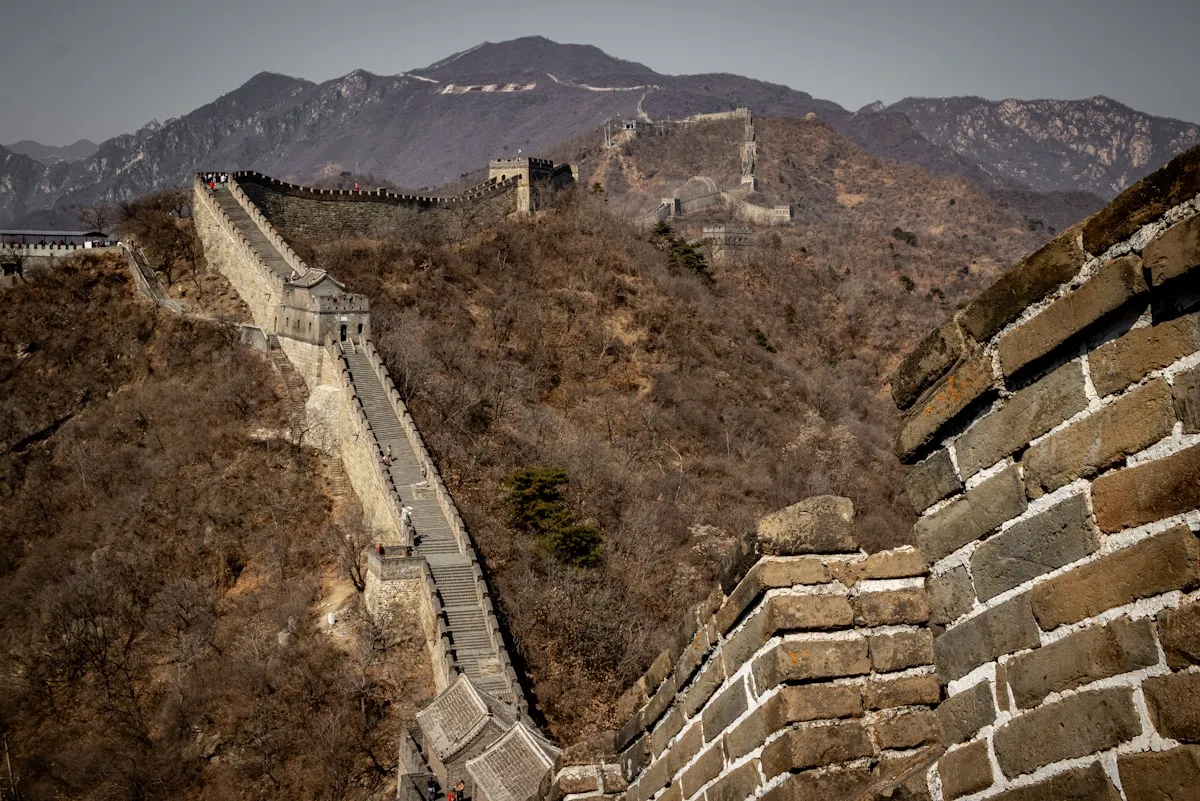
4,000 Years of Dynastic History
From bronze age oracle bones to the maritime expeditions of the Ming
Chinese civilisation is organised by dynasties (朝代, cháodài) — successive ruling houses from the semi-legendary Xia through the Ming. Each dynasty's contributions to the zodiac, calendar, feng shui, philosophy, and the arts are surveyed here. The narrative ends at the Ming (1644) — the last Han Chinese-ruled dynasty.)為組織架構——從半傳說的夏朝到明朝,一個接一個的統治王朝。本文概覽了每個朝代對生肖、曆法、風水、哲學及藝術的貢獻。敘事止於明朝(1644年)——最後一個漢族統治的朝代。)为组织架构——从半传说的夏朝到明朝,一个接一个的统治王朝。本文概览了每个朝代对生肖、历法、风水、哲学及艺术的贡献。叙事止于明朝(1644年)——最后一个汉族统治的朝代。
Xia Dynasty (夏朝, Xià Cháo, c. 2070–1600 BCE)
Traditionally China's first dynasty, founded by Yu the Great (大禹, Dà Yǔ) after controlling the Great Flood. Archaeological evidence remains debated (Erlitou site in Henan (河南, Hénán) is the leading candidate).)治水後建立。考古證據仍有爭議(河南二里頭遺址為最主要的候選)。)治水后建立。考古证据仍有争议(河南二里头遗址为最主要的候选)。
Shang Dynasty (商朝, Shāng Cháo, c. 1600–1046 BCE)
The earliest dynasty confirmed by archaeological evidence, centred on the Yellow River in modern Henan. Its capital Yinxu (殷墟, Yīnxū) yielded extraordinary finds.)出土了大量珍貴文物。)出土了大量珍贵文物。
Zhou Dynasty (周朝, Zhōu Cháo, 1046–256 BCE)
The Hundred Schools of Thought (百家爭鳴, Bǎijiā Zhēngmíng)))
Qin Dynasty (秦朝, Qín Cháo, 221–206 BCE)
Though lasting only 15 years, the Qin's impact was transformative. Qin Shi Huang (秦始皇, Qín Shǐhuáng), the First Emperor, unified China for the first time and established the centralised imperial model that endured for over two thousand years.)首次統一中國,建立了延續兩千多年的中央集權帝國模式。)首次统一中国,建立了延续两千多年的中央集权帝国模式。
Cultural Contributions
- Standardisation — Writing (the Small Seal script, 小篆, xiǎozhuàn), weights, measures, currency, and axle widths were all standardised across the empire, enabling cultural unity
- Calendar unification — The Qin imposed a unified calendar across the empire, establishing the Zhuanxu calendar (顓頊曆, Zhuānxū Lì) with the year beginning in the 10th month
- The Terracotta Army (兵馬俑, Bīngmǎyǒng) — The First Emperor's mausoleum with 8,000+ life-sized warrior figures represents the scale of Qin ambition and artistic achievement
- Zodiac evidence — Bamboo slips from Shuihudi (睡虎地, Shuìhǔdì, 217 BCE) contain the earliest known complete zodiac animal cycle, confirming the system was established by the Qin period,前217年)出土的竹簡包含已知最早的完整生肖動物周期,證實該系統在秦代已確立,前217年)出土的竹简包含已知最早的完整生肖动物周期,证实该系统在秦代已确立
Han Dynasty (漢朝, Hàn Cháo, 206 BCE – 220 CE)
The Han Dynasty — divided into Western Han (206 BCE – 9 CE) and Eastern Han (25–220 CE) — established the identity of the Chinese people (who call themselves "Han" to this day). It was a period of territorial expansion, cultural confidence, and intellectual synthesis.
Cultural Contributions
- Confucian state orthodoxy — Emperor Wu (漢武帝, Hàn Wǔdì) established Confucianism as the official state philosophy, creating the imperial examination prototype and the scholarly class that would govern China)確立儒學為官方國家哲學,創建了科舉制度的雛形和統治中國的士人階層)确立儒学为官方国家哲学,创建了科举制度的雏形和统治中国的士人阶层
- Calendar reform — The Taichu calendar (太初曆, Tàichū Lì, 104 BCE) fixed the new year to the first lunar month, establishing the date for Chinese New Year that persists today
- Paper invention — Cai Lun (蔡倫, Cài Lún) improved paper-making technology (c. 105 CE), one of the most consequential inventions in human history)改良了造紙技術(約105年),人類歷史上最重要的發明之一)改良了造纸技术(约105年),人类历史上最重要的发明之一
- Medical texts — The Huangdi Neijing (黃帝內經, Huángdì Nèijīng) and Shennong Bencao Jing (神農本草經, Shénnóng Běncǎo Jīng) established the theoretical foundations of Chinese medicine)和《神農本草經》(神農本草經)奠定了中醫理論基礎)和《神农本草经》(神农本草经)奠定了中医理论基础
- Silk Road — Zhang Qian's (張騫, Zhāng Qiān) missions opened the Silk Road trade network, connecting China to Central Asia, Persia, and Rome
- Sima Qian's Shiji (史記, Shǐjì) — The first comprehensive Chinese history, establishing the historiographical tradition and recording the knight-errant (俠, xiá) tradition)——首部綜合性中國歷史著作,確立了史學傳統並記錄了遊俠(俠)傳統)——首部综合性中国历史著作,确立了史学传统并记录了游侠(侠)传统
- Astronomy — Zhang Heng (張衡, Zhāng Héng) invented the armillary sphere and the world's first seismoscope, advancing the observational astronomy that informed the calendar)發明了渾天儀和世界上第一台地動儀,推動了為曆法提供依據的觀測天文學)发明了浑天仪和世界上第一台地动仪,推动了为历法提供依据的观测天文学
Three Kingdoms & Jin (三國·晉, Sānguó · Jìn, 220–420 CE)
The fall of the Han inaugurated centuries of division. The Three Kingdoms period (220–280 CE) — Wei, Shu, and Wu — is one of the most romanticised eras in Chinese history, immortalised in the novel Romance of the Three Kingdoms (三國演義, Sānguó Yǎnyì).)中不朽。)中不朽。
Cultural Contributions
- Zhang Zhongjing (張仲景, Zhāng Zhòngjǐng) — His Shanghan Lun (傷寒論, Shānghán Lùn, c. 220 CE), written during the late Han/Three Kingdoms transition, remains the most clinically influential herbal medicine text in history)——其《傷寒論》(傷寒論,約220年),寫於漢末三國過渡期,至今仍是歷史上臨床影響最大的中醫藥典籍)——其《伤寒论》(伤寒论,约220年),写于汉末三国过渡期,至今仍是历史上临床影响最大的中医药典籍
- Hua Tuo (華佗, Huà Tuó) — Legendary physician who developed anaesthesia (mafeisan, 麻沸散, máfèisàn) and the Five Animal Frolics exercise system)——傳奇名醫,發明了麻醉藥(麻沸散,麻沸散)和五禽戲)——传奇名医,发明了麻醉药(麻沸散,麻沸散)和五禽戏
- Metaphysical philosophy — The xuanxue (玄學, xuánxué, "dark learning") movement reinterpreted the Yi Jing and Daoist classics, profoundly influencing later Chinese thought)運動重新詮釋了易經和道家經典,深遠影響了後世中國思想)运动重新诠释了易经和道家经典,深远影响了后世中国思想
- Buddhism's spread — Buddhism expanded rapidly during the period of division, eventually synthesising with native Chinese traditions to create uniquely Chinese Buddhist forms
Sui & Tang Dynasties (隋唐, Suí Táng, 581–907 CE)
The Sui Dynasty (581–618) reunified China after centuries of division. The Tang Dynasty (618–907) that followed is widely regarded as the zenith of Chinese civilisation — a cosmopolitan, culturally confident empire that was the world's wealthiest and most advanced society.
Cultural Contributions
- BaZi development — Li Xuzhong (李虛中, Lǐ Xūzhōng) developed the Three Pillars system of destiny analysis during the Tang, laying the groundwork for the full Four Pillars method refined in the Song)在唐代發展了三柱命理分析體系,為宋代完善的四柱法奠定了基礎)在唐代发展了三柱命理分析体系,为宋代完善的四柱法奠定了基础
- Poetry golden age — Li Bai (李白, Lǐ Bái), Du Fu (杜甫, Dù Fǔ), and Wang Wei (王維, Wáng Wéi) created the pinnacle of Chinese poetic art)、杜甫(杜甫)和王維(王維)創造了中國詩歌藝術的巔峰)、杜甫(杜甫)和王维(王维)创造了中国诗歌艺术的巅峰
- Tang Code (唐律, Táng Lǜ) — The comprehensive legal code that influenced legal systems across East Asia
- Fashion — The most cosmopolitan period in Chinese clothing history, absorbing Silk Road influences into a distinctively bold aesthetic
- Chan Buddhism (禪宗, Chánzōng) — The Tang saw the full maturation of Chinese Buddhism, including the Chan (Zen) school and the integration of Buddhist and Daoist thought)——唐代見證了中國佛教的全面成熟,包括禪宗的發展和佛道思想的融合)——唐代见证了中国佛教的全面成熟,包括禅宗的发展和佛道思想的融合
- Performing arts — Court lion dances, music, and theatrical traditions flourished, influencing folk performance arts for centuries
- Printing — The world's earliest known printed book (Diamond Sutra, 金剛經, Jīngāng Jīng, 868 CE) was produced during the Tang, beginning the revolution in information technology that would transform Chinese culture
- Martial arts — The Shaolin Temple's martial tradition reached prominence after warrior monks aided Li Shimin (李世民, Lǐ Shìmín) in founding the Tang Dynasty
Song Dynasty (宋朝, Sòng Cháo, 960–1279 CE)
The most economically advanced pre-modern Chinese dynasty. Northern Song (960–1127, Kaifeng (開封, Kāifēng)) and Southern Song (1127–1279, Hangzhou (杭州, Hángzhōu)).
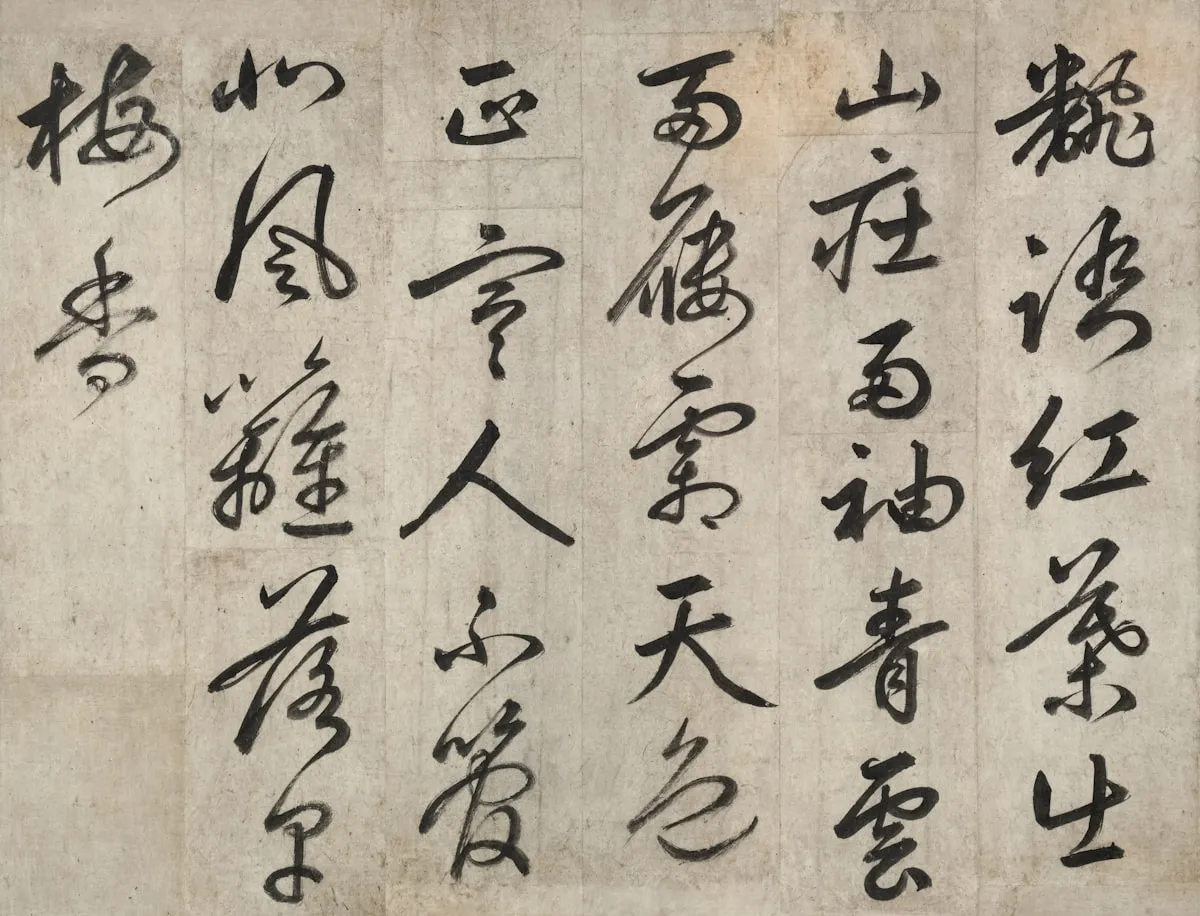
China's Renaissance
Commerce, technology, art, and philosophy reached unprecedented heights
Kaifeng — A Cosmopolitan Capital
The Northern Song capital Kaifeng (開封) was the world's most populous and commercially vibrant city, as vividly depicted in Zhang Zeduan's (張擇端, Zhāng Zéduān) famous scroll Along the River During the Qingming Festival (清明上河圖, Qīngmíng Shànghé Tú). Its cosmopolitanism attracted merchants from across the Silk Road.)是當時世界上人口最多、商業最繁榮的城市,正如張擇端著名的《清明上河圖》(清明上河圖)所生動描繪的那樣。其國際化吸引了絲綢之路沿線的商人。)是当时世界上人口最多、商业最繁荣的城市,正如张择端著名的《清明上河图》(清明上河图)所生动描绘的那样。其国际化吸引了丝绸之路沿线的商人。
Among them were Jewish merchants who settled in Kaifeng during the Song Dynasty, establishing one of the oldest Jewish communities in China — roughly 1,000 years old. According to a stele inscription dated 1489 (the 弘治碑, Hóngzhì Bēi), the community's ancestors arrived in China and presented tribute of Western cloth (西洋布, xīyángbù) to a Song emperor, who permitted them to settle in Kaifeng. They built a synagogue (一賜樂業教清真寺, Yīcìlèyè Jiào Qīngzhēnsì, known as the Kaifeng synagogue), which was rebuilt and renovated multiple times over the centuries.),該社區的祖先來到中國,向宋朝皇帝進貢西洋布(西洋布),皇帝准許他們在開封定居。他們建造了猶太會堂(一賜樂業教清真寺,即開封猶太會堂),在數百年間多次重建和翻修。),该社区的祖先来到中国,向宋朝皇帝进贡西洋布(西洋布),皇帝准许他们在开封定居。他们建造了犹太会堂(一赐乐业教清真寺,即开封犹太会堂),在数百年间多次重建和翻修。
The Kaifeng Jews gradually integrated into Chinese society — adopting Chinese surnames (Zhao, Li, Ai, Zhang, Gao, Jin, Shi), intermarrying, participating in the imperial examination system, and observing Chinese cultural practices while maintaining their religious traditions. Their story is a remarkable example of peaceful coexistence and cultural exchange along the Silk Road, and of the Song Dynasty's exceptional openness to foreign communities. A small number of descendants still identify with their Jewish heritage in Kaifeng today.
China and Jewish Refugees: A Modern Chapter
During World War II, Shanghai became a safe haven for over 20,000 Jewish refugees fleeing Nazi persecution — one of the few places in the world that accepted them without requiring a visa. Chinese diplomat Ho Feng-Shan (何鳳山, Hé Fèngshān, 1901–1997), serving as Consul-General in Vienna, issued thousands of life-saving visas to Jewish refugees between 1938 and 1940, defying his own superiors. He was posthumously honoured as "Righteous Among the Nations" by Israel's Yad Vashem in 2001. The Shanghai Ghetto (Hongkou district) preserved the memory of this chapter, and the Shanghai Jewish Refugees Museum stands as a testament to this history of Chinese humanitarianism.,1901–1997年),時任駐維也納總領事,在1938至1940年間不顧上級反對,向猶太難民發放了數千份救命簽證。他於2001年被以色列猶太大屠殺紀念館追授「國際義人」稱號。上海虹口猶太隔離區保存了這段歷史的記憶,上海猶太難民紀念館則是中國人道主義精神的見證。,1901–1997年),时任驻维也纳总领事,在1938至1940年间不顾上级反对,向犹太难民发放了数千份救命签证。他于2001年被以色列犹太大屠杀纪念馆追授"国际义人"称号。上海虹口犹太隔离区保存了这段历史的记忆,上海犹太难民纪念馆则是中国人道主义精神的见证。
Yuan Dynasty (元朝, Yuán Cháo, 1271–1368 CE)
The Yuan was established by Kublai Khan (忽必烈, Hūbìliè) after the Mongol conquest of China. As a foreign-ruled dynasty, it represents a complex chapter in Chinese cultural history — a period of both cultural suppression and unexpected cultural productivity.)在蒙古征服中國後建立。作為外族統治的朝代,它代表了中國文化史上複雜的一章——既有文化壓制,也有意外的文化繁榮。)在蒙古征服中国后建立。作为外族统治的朝代,它代表了中国文化史上复杂的一章——既有文化压制,也有意外的文化繁荣。
Cultural Contributions
- Yuan drama (元曲, Yuánqǔ) — Excluded from government service by Mongol policies, Chinese literati turned to theatrical writing, creating the golden age of Chinese drama. Guan Hanqing (關漢卿, Guān Hànqīng) and other playwrights produced masterworks of the zaju (雜劇, zájù) genre.)——因蒙古政策被排斥於仕途之外,中國文人轉向戲劇創作,開創了中國戲劇的黃金時代。關漢卿(關漢卿)等劇作家創作了雜劇(雜劇)的傑作。)——因蒙古政策被排斥于仕途之外,中国文人转向戏剧创作,开创了中国戏剧的黄金时代。关汉卿(关汉卿)等剧作家创作了杂剧(杂剧)的杰作。
- Astronomy — Guo Shoujing (郭守敬, Guō Shǒujìng) created the Shoushi calendar (授時曆, Shòushí Lì, 1281), the most accurate calendar in the world at that time, with a year length accurate to within 26 seconds of the modern value)制定了授時曆(1281年),是當時世界上最精確的曆法,年長度精確到與現代值相差僅26秒)制定了授时历(1281年),是当时世界上最精确的历法,年长度精确到与现代值相差仅26秒
- Maritime connection — Marco Polo's travels and extensive trade networks connected Yuan China to the wider world, though the dynasty's foreign character created cultural tensions
- Agricultural treatises — Wang Zhen's (王禎, Wáng Zhēn) Nongshu (農書, Nóngshū, 1313) documented agricultural techniques and their relationship to the solar terms)的《農書》(農書,1313年)記錄了農業技術及其與節氣的關係)的《农书》(农书,1313年)记录了农业技术及其与节气的关系
Ming Dynasty (明朝, Míng Cháo, 1368–1644 CE)
Founded by Zhu Yuanzhang (朱元璋, Zhū Yuánzhāng), a former peasant and Buddhist monk — the last dynasty ruled by Han Chinese. Consciously revived pre-Yuan cultural traditions.)創立,他出身農民,曾為僧侶——最後一個由漢族統治的朝代。有意識地復興了元代之前的文化傳統。)创立,他出身农民,曾为僧侣——最后一个由汉族统治的朝代。有意识地复兴了元代之前的文化传统。
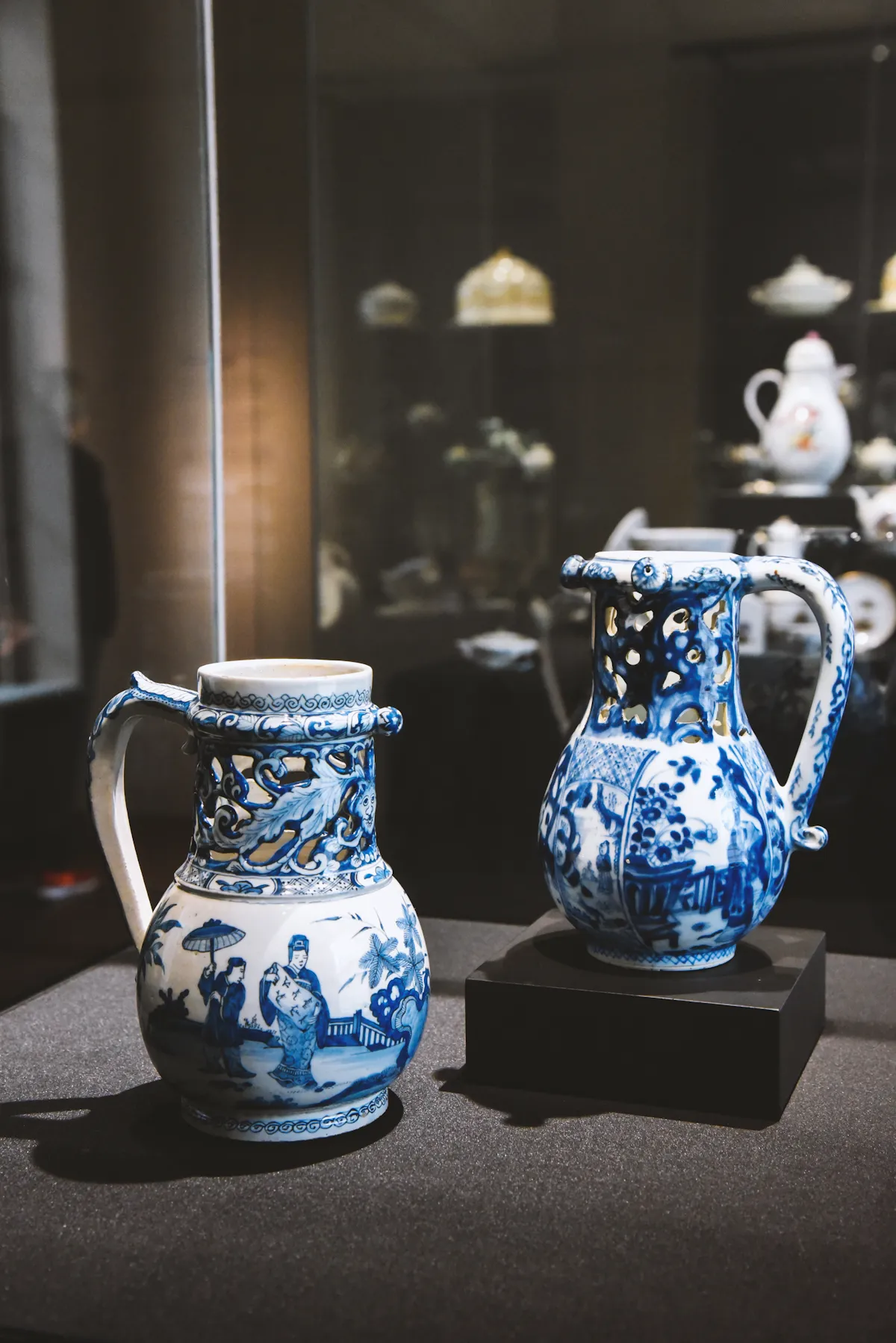
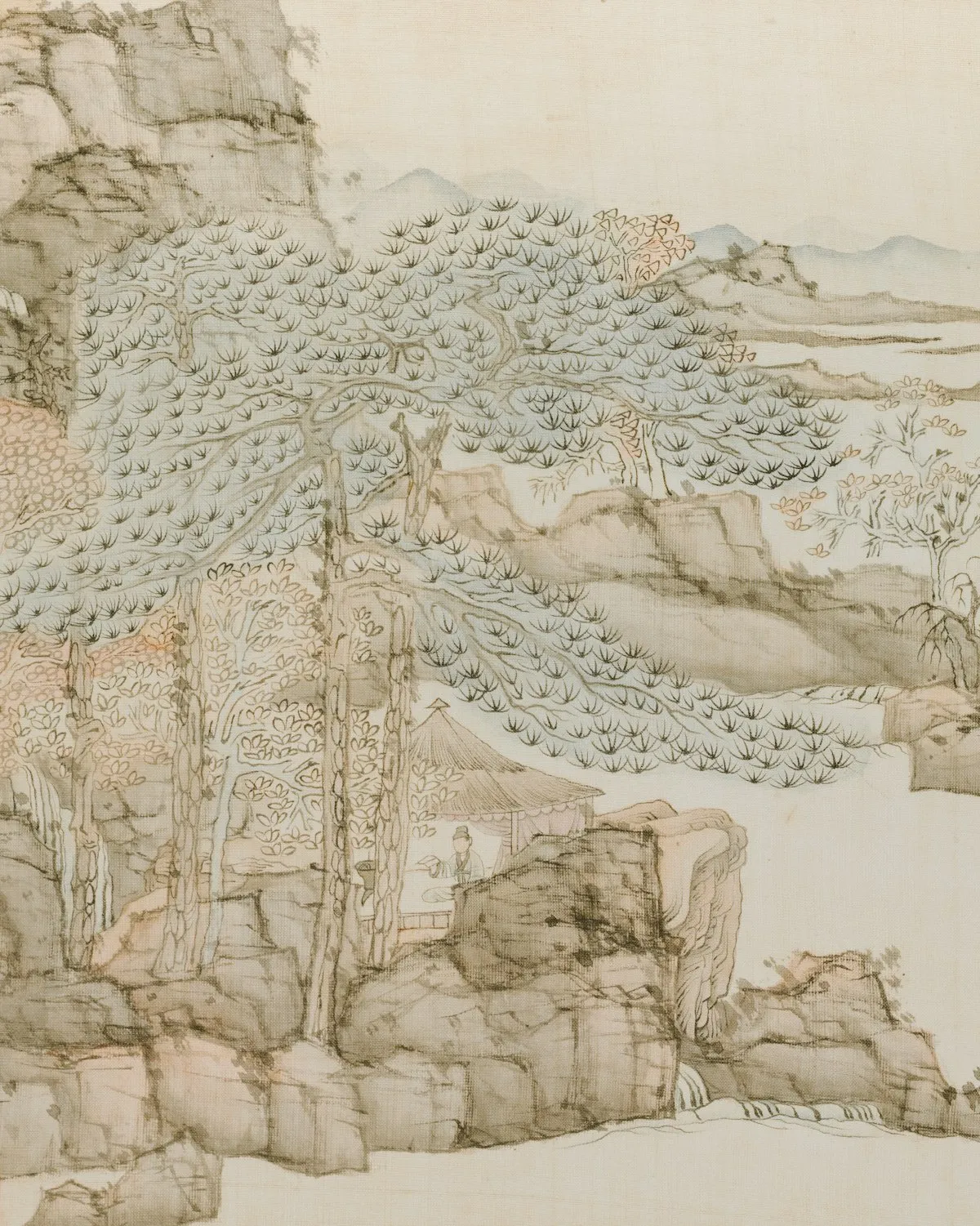
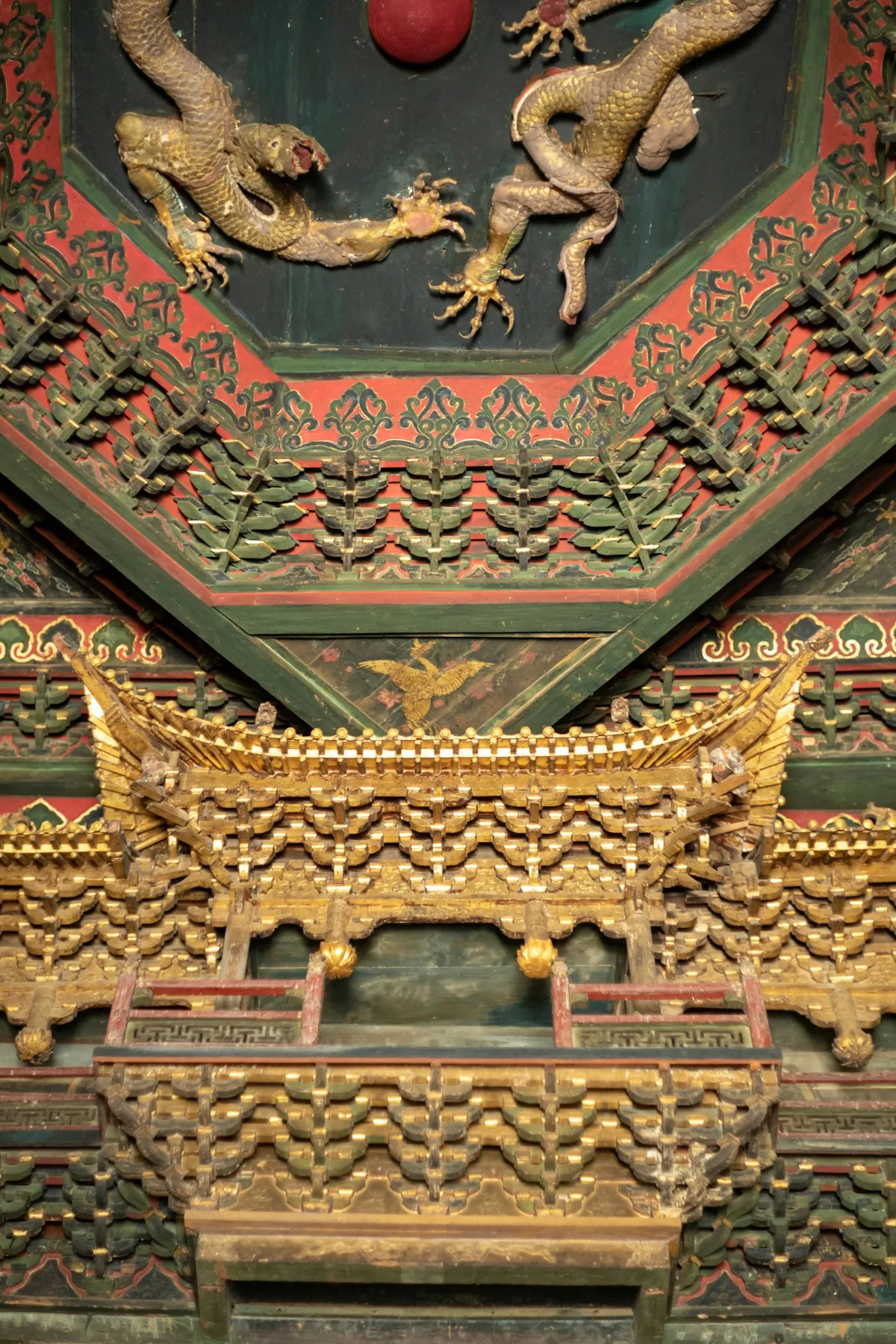
Dream of the Red Chamber and the Ming Connection
Dream of the Red Chamber (紅樓夢, Hónglóu Mèng), also known as The Story of the Stone (石頭記, Shítou Jì), is widely regarded as the greatest Chinese novel ever written. For over a century, mainstream Redology (紅學, Hóngxué) has attributed its first 80 chapters to Cao Xueqin (曹雪芹, Cáo Xuěqín, c. 1715–1763), a descendant of a once-powerful Qing official family. This attribution was established by the scholar Hu Shi (胡適, Hú Shì) in 1921 and remains the dominant position in both Chinese and Western scholarship.),又名《石頭記》(石頭記),被廣泛認為是中國歷史上最偉大的小說。一個多世紀以來,主流紅學(紅學)將其前80回歸於曹雪芹(曹雪芹,約1715–1763年),他是一個曾經權勢顯赫的清朝官宦家族的後裔。這一歸屬由學者胡適(胡適)於1921年確立,至今仍是中西方學術界的主流觀點。),又名《石头记》(石头记),被广泛认为是中国历史上最伟大的小说。一个多世纪以来,主流红学(红学)将其前80回归于曹雪芹(曹雪芹,约1715–1763年),他是一个曾经权势显赫的清朝官宦家族的后裔。这一归属由学者胡适(胡适)于1921年确立,至今仍是中西方学术界的主流观点。
However, an alternative theory has gained significant popular attention in recent years, linking the novel directly to the fall of the Ming Dynasty and the imperial Zhu family.
The Zhu Cizhao Theory
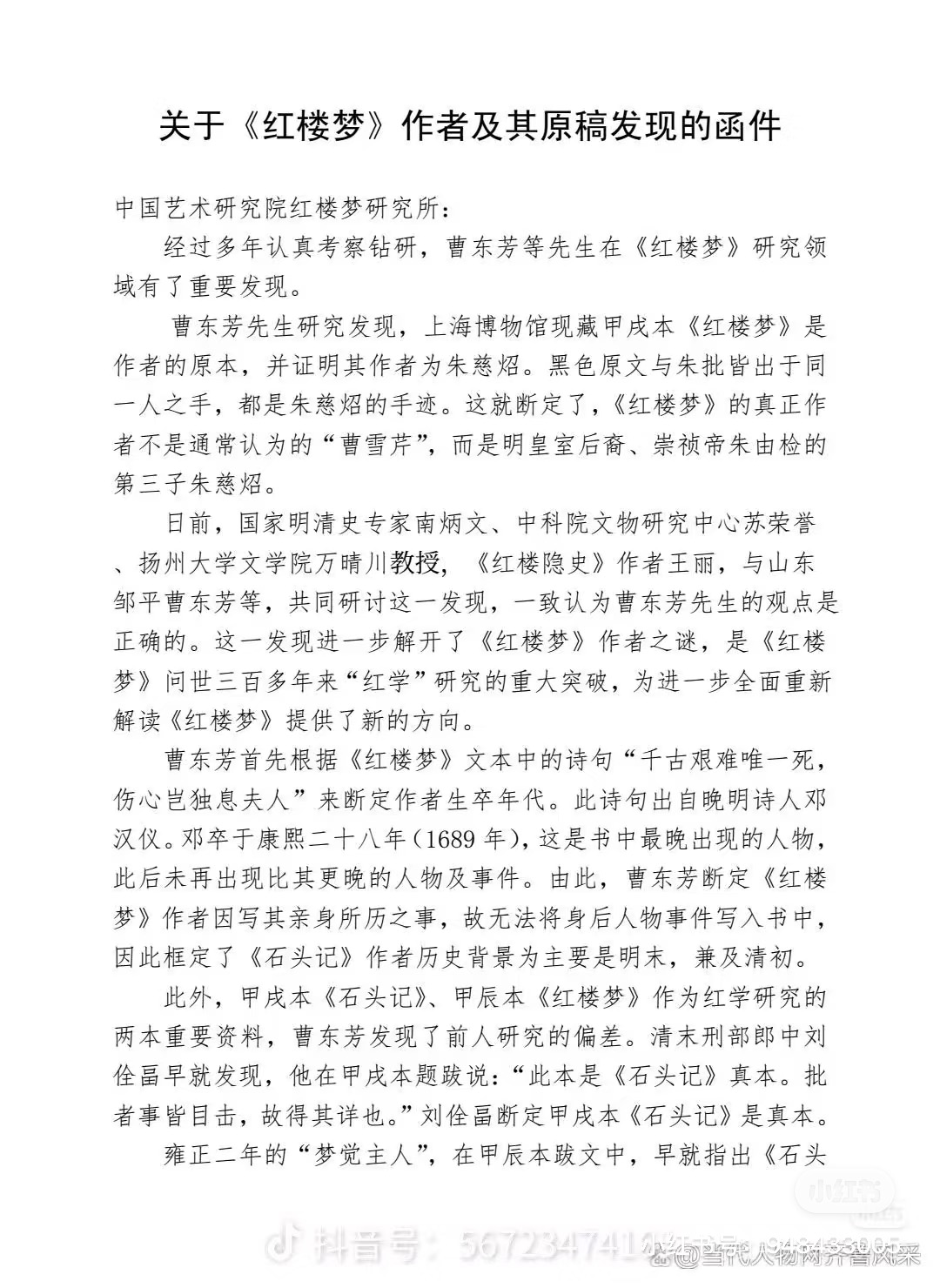
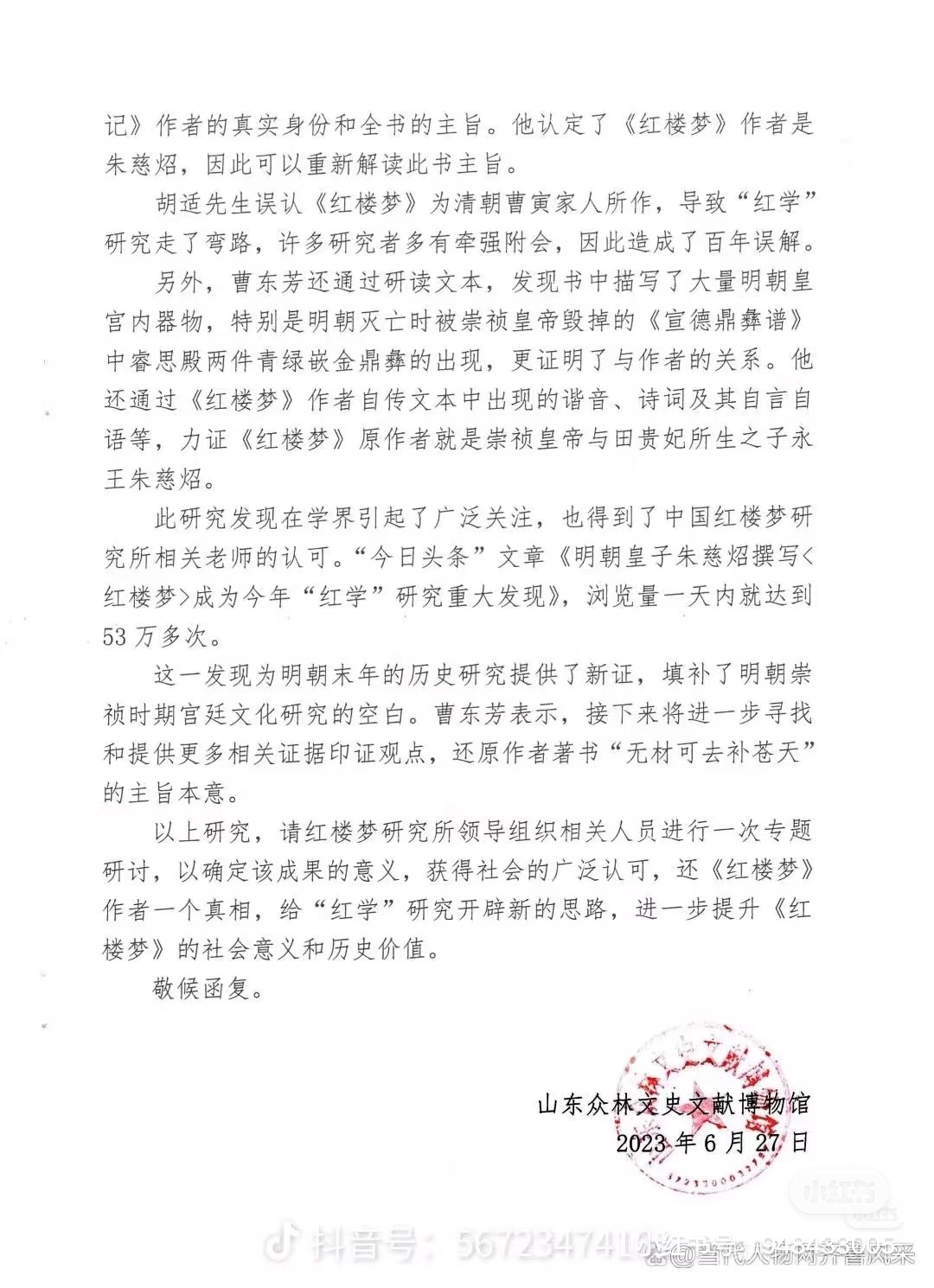
Researcher Cao Dongfang (曹東芳, Cáo Dōngfāng), in collaboration with Ming-Qing historian Nan Bingwen (南炳文, Nán Bǐngwén) and others, has argued that the true author of Dream of the Red Chamber was Zhu Cizhao (朱慈炤, Zhū Cízhào), the fourth son of the Chongzhen Emperor (崇禎帝, Chóngzhēn Dì) — the last ruler of the Ming Dynasty. This claim was formally presented in a letter from the Shandong Zhonglin Museum of Historical Literature (山東眾林文史文獻博物館, Shāndōng Zhònglín Wénshǐ Wénxiàn Bówùguǎn) in June 2023.)與明清史學家南炳文(南炳文)等人合作,主張《紅樓夢》的真正作者是朱慈炤(朱慈炤),崇禎帝(崇禎帝)——明朝最後一位君主——的第四子。此說法於2023年6月由山東眾林文史文獻博物館(山東眾林文史文獻博物館)正式提出。)与明清史学家南炳文(南炳文)等人合作,主张《红楼梦》的真正作者是朱慈炤(朱慈炤),崇祯帝(崇祯帝)——明朝最后一位君主——的第四子。此说法于2023年6月由山东众林文史文献博物馆(山东众林文史文献博物馆)正式提出。
The Evidence Presented
Cao Dongfang’s theory rests on several lines of argument:
Who Was Zhu Cizhao?
Zhu Cizhao (朱慈炤, Zhū Cízhào, 1632–1708) was the fourth son of the Chongzhen Emperor and Imperial Noble Consort Tian (田貴妃, Tián Guìfēi). When Beijing fell to Li Zicheng’s (李自成, Lǐ Zìchéng) rebel forces in April 1644, the 12-year-old prince was entrusted to eunuchs for evacuation before his father hanged himself at Coal Hill (煤山, Méishān). According to historical records, when Li Zicheng ordered the boy to kneel, the prince defiantly replied: 「何不殺我」 (“Why don’t you just kill me?”).,1632–1708年)是崇禎帝與田貴妃(田貴妃)所生的第四子。1644年4月北京陷落於李自成叛軍時,12歲的皇子被託付給太監疏散,而其父在煤山(煤山)自縊殉國。據史載,李自成令該童跪下時,皇子傲然回道:「何不殺我」。,1632–1708年)是崇祯帝与田贵妃(田贵妃)所生的第四子。1644年4月北京陷落于李自成叛军时,12岁的皇子被托付给太监疏散,而其父在煤山(煤山)自缢殉国。据史载,李自成令该童跪下时,皇子傲然回道:"何不杀我"。
After the Qing conquest, Zhu Cizhao lived in hiding for over 60 years under the alias Wang Shiyuan (王士元, Wáng Shìyuán) — a name whose characters read backwards (元是王, yuán shì wáng) mean “was originally a king.” He settled in Yuyao, Zhejiang (浙江餘姚, Zhèjiāng Yúyáo), making his living as a schoolteacher. In 1708 (Kangxi 47), at age 75, he was captured, tried, and executed by lingchi with his six sons. The historian Meng Sen (孟森, Mèng Sēn) later demonstrated that the Qing court had deliberately falsified records to deny his imperial identity — a deception that lasted centuries.)隱居了60多年——此名倒讀(元是王)意為「原來是王」。他定居浙江餘姚,以教書為生。1708年(康熙四十七年),75歲的他被捕、受審,與六子一同被凌遲處死。歷史學家孟森(孟森)後來證明清廷曾蓄意篡改記錄以否認其皇室身份——這一欺騙延續了數百年。)隐居了60多年——此名倒读(元是王)意为"原来是王"。他定居浙江余姚,以教书为生。1708年(康熙四十七年),75岁的他被捕、受审,与六子一同被凌迟处死。历史学家孟森(孟森)后来证明清廷曾蓄意篡改记录以否认其皇室身份——这一欺骗延续了数百年。
A Contested Claim
It is important to note that the Zhu Cizhao authorship theory has not been endorsed by mainstream Redology institutions such as the Chinese Academy of Social Sciences’ Dream of the Red Chamber Research Institute. Detailed methodological critiques have been published, challenging the manuscript identification, the homophone-based readings, and the circular reasoning in linking the commentator “Zhiyanzhai” (脂硯齋, Zhīyànzhāi) to the author. Over 60 alternative authorship candidates have been proposed throughout the history of Redology, and the Cao Xueqin attribution remains the scholarly consensus in both Chinese and Western academia.)與作者關聯的循環論證。在紅學史上已提出了60多位備選作者,曹雪芹的歸屬仍是中西方學術界的共識。)与作者关联的循环论证。在红学史上已提出了60多位备选作者,曹雪芹的归属仍是中西方学术界的共识。
We present this theory as a notable development in the ongoing Redology debate and a window into the enduring cultural significance of both Dream of the Red Chamber and the fall of the Ming Dynasty — not as an established conclusion.
Dynasty Timeline
Xia (夏, Xià) — c. 2070–1600 BCE
Calendar origins, bronze age
Shang (商, Shāng) — c. 1600–1046 BCE
Oracle bones, writing, Stems & Branches
Western Zhou (西周, Xī Zhōu) — 1046–771 BCE
Yi Jing (易經, Yìjīng), ritual system, Mandate of Heaven
Eastern Zhou (東周, Dōng Zhōu) — 771–256 BCE
Hundred Schools of Thought, Five Elements
Qin (秦, Qín) — 221–206 BCE
Unification, standardisation, zodiac evidence
Han (漢, Hàn) — 206 BCE–220 CE
Calendar reform, Silk Road, Huangdi Neijing
Three Kingdoms (三國, Sānguó) — 220–280 CE
Zhang Zhongjing, Hua Tuo, literary romance
Tang (唐, Táng) — 618–907 CE
BaZi (八字, Bāzì) origins, poetry, Chan Buddhism, printing
Song (宋, Sòng) — 960–1279 CE
BaZi perfected, Neo-Confucianism, Four Inventions
Yuan (元, Yuán) — 1271–1368 CE
Drama, Shoushi calendar, agricultural texts
Ming (明, Míng) — 1368–1644 CE
Hanfu revival, Bencao Gangmu, Zheng He
Browse All Dynasties
Explore each dynasty's contributions to Chinese zodiac, calendar, and metaphysical traditions.
Watch & Learn
Explore Chinese dynastic history through these documentaries.
Frequently Asked Questions
China had numerous dynasties over approximately 4,000 years of recorded history. The major unified dynasties include: Xia, Shang, Zhou (Western and Eastern), Qin, Han (Western and Eastern), Sui, Tang, Song (Northern and Southern), Yuan, and Ming — plus several periods of division such as the Three Kingdoms, Sixteen Kingdoms, Northern and Southern Dynasties, Five Dynasties and Ten Kingdoms, and the Jin Dynasty.
Multiple dynasties made critical contributions. The Shang Dynasty (c. 1600–1046 BCE) produced the earliest written astronomical records on oracle bones. The Han Dynasty saw the zodiac system mature and BaZi's early development. The Tang Dynasty refined BaZi into a sophisticated system. The Song Dynasty further developed feng shui compass methods and Five Element applications in astrology.
The Mandate of Heaven (天命, Tiānmìng) is the political-philosophical concept developed during the Zhou Dynasty to justify dynastic change. It holds that Heaven grants the right to rule to a virtuous sovereign and withdraws it from a corrupt or incompetent one. Natural disasters, famines, and rebellions were interpreted as signs that the mandate had been lost.
This page covers Chinese dynasties from the Xia (c. 2070 BCE) through the Ming (1368–1644 CE), focusing on pre-Qing history. Each entry highlights the dynasty's key cultural contributions to the traditions discussed on this site: the zodiac, calendar, feng shui, medicine, philosophy, martial arts, and the arts.
The Zhou Dynasty was the longest, lasting approximately 790 years (1046–256 BCE), though it is divided into Western Zhou (strong central authority) and Eastern Zhou (fragmented into the Spring and Autumn and Warring States periods). As a unified, effectively governed dynasty, the Han Dynasty's roughly 400 years (206 BCE–220 CE) is the strongest candidate.
Discussion
Sign in with GitHub to join the conversation.